← Back to Scholarship Resources
Scholarship Essay Mistakes That Get Applications Rejected
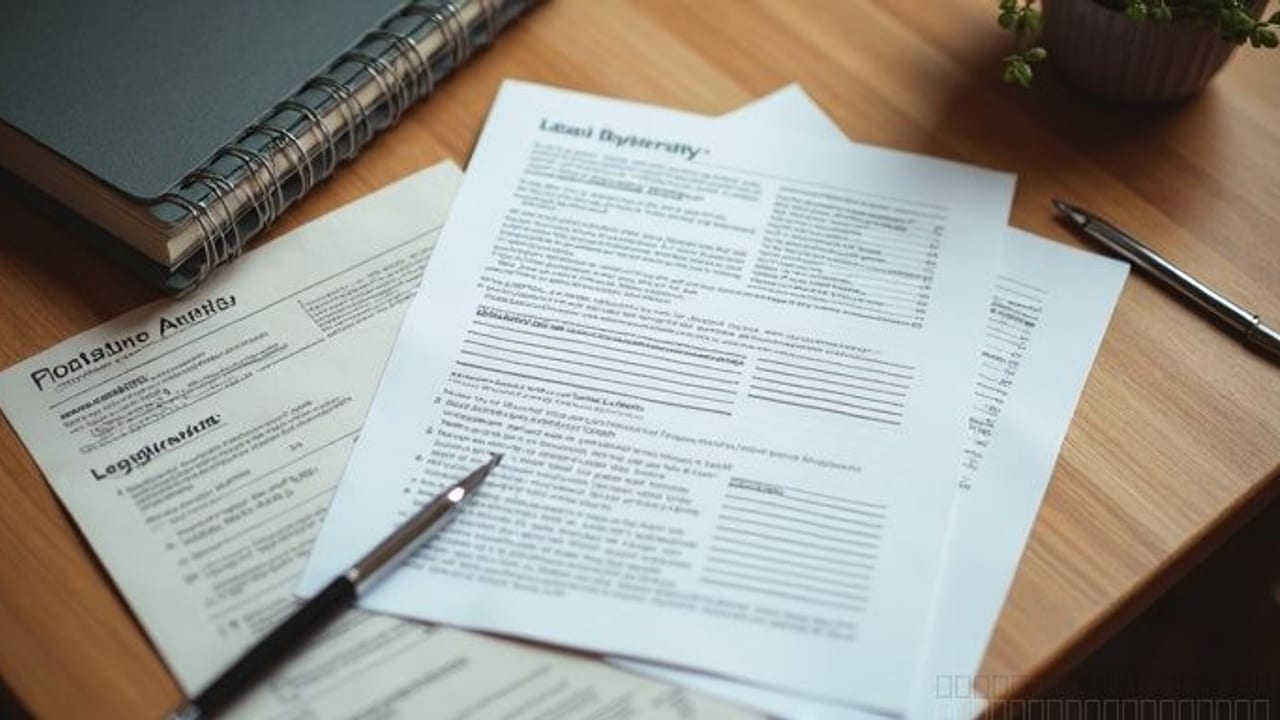
A scholarship essay can fail even when the student has good grades, real financial need, or strong extracurriculars. Reviewers often reject applications not because the applicant lacks potential, but because the essay makes the wrong impression fast. A weak response signals poor attention to detail, low effort, or a mismatch with the scholarship's purpose.
That is why understanding scholarship essay mistakes that get applications rejected matters so much. Committees usually read a large volume of essays in limited time. If your response is off-topic, generic, sloppy, or hard to follow, it may be eliminated before your achievements get fair consideration. Strong essays do not need to sound perfect or dramatic. They need to be clear, relevant, honest, and carefully prepared.
The mistakes reviewers notice first
Some errors stand out immediately because they suggest the applicant did not fully understand the assignment. The biggest one is ignoring the prompt. If a scholarship asks about leadership, but your essay spends most of its time on financial hardship without connecting it back to leadership, the committee may see it as a scholarship essay off-topic response. Even a well-written essay can be rejected if it answers a different question than the one asked.
Another early warning sign is a weak opening with no clear point. Many students start with broad statements like "education is important" or "I have always dreamed of success." These lines sound generic and do not help the reviewer understand your story. A scholarship essay weak thesis makes the entire piece feel unfocused. Reviewers should know within the first paragraph what your main message is and why you are a strong fit.
Formatting also affects first impressions more than students expect. Scholarship essay formatting mistakes include ignoring word limits, using hard-to-read fonts, submitting a document with inconsistent spacing, or failing to follow file naming instructions. These may seem minor, but they can suggest that the applicant may also overlook more important requirements. If the provider gives exact instructions, follow them closely. For general application standards, students can also review official writing expectations from university sources such as the Purdue OWL proofreading guidance.
Common scholarship essay mistakes that weaken strong applications
One of the most common scholarship essay mistakes is being too vague. Students often mention hard work, leadership, resilience, or community service without showing what those qualities looked like in real life. Reviewers remember specific examples, not labels. Saying you are determined means little unless you describe a challenge, your actions, and the result.
Another major problem is relying on clichés. Phrases like "I want to change the world" or "everything happens for a reason" are not automatically wrong, but they rarely help an essay stand out. Scholarship committees read these lines repeatedly. If your language sounds borrowed, the essay can feel impersonal. The better approach is to describe one real experience in plain language and let the meaning come through naturally.
Students also hurt their chances by trying to cover too much. An essay that jumps from childhood struggles to volunteer work to career goals to family history without a clear thread becomes difficult to follow. Reviewers are not looking for your entire biography. They want a focused answer that proves fit, maturity, and purpose.
Finally, many essays fail because they sound like resumes in paragraph form. Listing awards, clubs, and achievements without reflection does not create a compelling narrative. The committee can already see your activities elsewhere in the application. The essay should explain what those experiences taught you, how they shaped your goals, and why that matters for this scholarship.
Why scholarship essays get rejected even when the student is qualified
Rejection often happens when the essay does not match the scholarship's mission. A community-service scholarship may prioritize impact and commitment. A career-focused scholarship may care more about academic direction and future contribution. If your essay is generic enough to fit any scholarship, it may not feel persuasive for this one.
Another reason scholarship essays get rejected is weak credibility. Exaggerated hardship, inflated accomplishments, or dramatic storytelling that feels forced can make reviewers skeptical. Authenticity matters more than intensity. A modest but honest story is usually stronger than an essay that tries too hard to sound inspirational.
Careless editing is another common cause. Grammar and spelling mistakes do not always cause automatic rejection by themselves, but repeated errors can absolutely damage your chances. They distract from your message and suggest rushed work. If the scholarship is competitive, even small mistakes can push your application below cleaner, more polished submissions. Students who want a better sense of how application review standards work can also compare expectations in official college admissions writing advice from institutions such as the University of Michigan essay guidance.
Scholarship essay errors to avoid before you submit
A practical way to reduce risk is to check for the mistakes that most often lead to rejection:
- Ignoring the prompt: Every paragraph should connect directly to the question.
- Missing the word count: Going far under can look underdeveloped; going over can show poor discipline.
- Using generic language: Replace abstract claims with specific examples.
- Weak structure: Make sure the essay has a clear beginning, middle, and end.
- No thesis or central message: The reader should understand your main point early.
- Repetition: Do not restate the same idea in different words.
- Grammar and spelling problems: Proofread slowly and more than once.
- Tone problems: Avoid sounding arrogant, desperate, or overly dramatic.
- Plagiarism or over-reuse: Scholarship essay plagiarism risks are serious and can lead to immediate disqualification.
- Late submission: A strong essay submitted after the deadline is still a failed application.
Plagiarism deserves special attention. Some students copy sample essays, reuse school assignments without adapting them, or borrow phrases from online sources. Others ask for too much help from AI or editors until the essay no longer sounds like their own work. That creates both ethical and practical problems. Many institutions define plagiarism broadly, and official academic integrity policies, such as those explained by the U.S. Department of Education, reinforce the importance of original work. Your essay must reflect your own thinking, voice, and experiences.
How to write a winning scholarship essay without sounding forced
A strong essay starts with relevance. Before writing, identify what the scholarship provider seems to value most: leadership, service, academic excellence, persistence, identity, career plans, or community impact. Then choose one or two experiences that clearly support that theme. This is the foundation of how to write a winning scholarship essay: fit matters as much as writing quality.
Clarity beats drama. You do not need a tragic backstory or a life-changing revelation. A focused story about tutoring younger students, helping your family manage responsibilities, recovering from one academic setback, or building a project over time can be highly effective if it shows growth and purpose.
Your structure should be simple and intentional. Open with a specific moment or direct statement. Then explain the challenge, your response, and what changed. End by connecting that experience to your education goals and the scholarship's mission. This approach helps you avoid the common problem of wandering into unrelated details.
A 5-step strategy to catch rejection-worthy problems
Use this process before every submission. It works as both a writing plan and a scholarship essay proofreading checklist.
Decode the prompt line by line.
Underline action words such as describe, explain, discuss, reflect, or demonstrate. Then identify the real topic: leadership, need, goals, service, identity, or resilience. If the prompt has two parts, answer both clearly.Write your thesis before the body.
Summarize your essay's main point in one sentence. Example: "Mentoring first-generation students taught me that leadership means building systems others can use after I leave." That sentence keeps the essay focused and prevents drift.Choose one main story, not five mini-stories.
Depth is more convincing than breadth. Pick the example that best proves your fit for the scholarship. Add only supporting details that strengthen that point.Edit for evidence, not just grammar.
During revision, ask: Did I actually prove my claims? If you say you are resilient, where is the evidence? If you say you are committed to service, what did you do, for whom, and with what outcome?Proofread in layers.
First check content and prompt alignment. Next review structure and transitions. Then check grammar, spelling, punctuation, formatting, and file instructions. Last, read it aloud or have another person review it for clarity.
This step-by-step method is especially useful when applying to multiple scholarships. It helps you customize each essay instead of sending the same generic response everywhere.
Is reusing essays safe or risky?
Reusing parts of an essay is not automatically wrong. In fact, many students sensibly adapt a strong core story for several applications. The problem starts when they copy and paste without tailoring the response. That is when essays become off-topic, repetitive, or mismatched to the scholarship's values.
A better strategy is to reuse only what remains relevant: a personal example, a career goal paragraph, or a short explanation of financial context. Then rewrite the introduction, thesis, and conclusion for each application. This keeps the essay specific and reduces the chance of sending the wrong scholarship name, missing a prompt requirement, or sounding generic.
If you are applying to many awards at once, organize your work carefully. Keep a spreadsheet with prompt themes, deadlines, word counts, and submission requirements. Students managing several applications may also find it helpful to review deadline planning advice in resources about scholarship timing and preparation.
Final review checklist before you hit submit
Before submitting, ask yourself these practical questions:
- Did I directly answer the exact prompt?
- Is my main message clear in the first paragraph?
- Did I include specific evidence instead of vague claims?
- Does every paragraph support the same central idea?
- Did I remove clichés and unnecessary filler?
- Is the essay within the required word count?
- Did I fix grammar, spelling, and punctuation errors?
- Did I follow all formatting and file instructions?
- Did someone trustworthy proofread it?
- Does the essay sound like me?
That last question matters. The best scholarship application essay tips often come down to authenticity plus discipline. Reviewers do not expect perfection. They expect relevance, effort, and self-awareness. A clear, honest essay that follows instructions will outperform a flashy but unfocused one surprisingly often.
Questions students ask before submitting
What are the most common scholarship essay mistakes?
The most common problems are ignoring the prompt, using generic language, writing without a clear thesis, and submitting essays with grammar or formatting errors. Many students also fail by trying to cover too many topics instead of building one strong, focused response.
Can grammar and spelling mistakes get a scholarship application rejected?
Yes, especially in competitive programs. A few minor errors may not ruin an otherwise excellent essay, but repeated mistakes make your writing look rushed and can weaken the reviewer's confidence in your application.
Why do off-topic scholarship essays get rejected?
Off-topic essays show that the applicant either misunderstood the question or reused a generic draft without adapting it. Reviewers need evidence that you fit their scholarship, and an essay that does not answer the prompt makes that hard to prove.
Is it okay to reuse the same scholarship essay for multiple applications?
You can reuse parts of an essay, but you should not submit the exact same version everywhere. Each scholarship has different goals, so your response should be tailored to the prompt, mission, and word limit.
Can plagiarism in a scholarship essay lead to automatic rejection?
Absolutely. Copying from samples, websites, classmates, or AI-generated text without making it genuinely your own can lead to disqualification. Even if it is not formally flagged, borrowed language often sounds unnatural and weakens trust.
📌 Quick Summary
- Key Point 1: This guide breaks down the core strategy for Scholarship Essay Mistakes That Get Applications Rejected.
- Key Point 2: Many strong students lose scholarship opportunities because of avoidable essay mistakes. Learn which errors reviewers notice first, why they lead to rejection, and how to fix them before you submit.
- Key Point 3: Learn the most common scholarship essay mistakes that lead to rejection, from ignoring prompts and weak structure to grammar errors, clichés, and missing deadlines.
Continue Reading
- How to Apply for Scholarships — practical steps to organize your application process and avoid rookie mistakes
- Scholarship Deadlines Explained — simple ways to track deadlines and avoid missing key dates
- Can You Combine Multiple Scholarships? — understand how stacking scholarships works and which rules to watch
Related Scholarships
Real opportunities from our catalog, matched to this article.
Browse the full scholarship catalog — filter by deadline, category, and more.
Open scholarship details 1540 Productions Ltd.NEWJorge Campos Memorial Scholarship
1540 Productions Ltd. offers this scholarship to help cover education costs. The listed award is $2500. Plan to apply by September 6, 2026.
244 applicants
$2,500
Award Amount
Sep 6, 2026
141 days left
2 requirements
Requirements
Sep 6, 2026
141 days left
2 requirements
Requirements
$2,500
Award Amount
EducationCommunityFew RequirementsFinancial NeedHigh SchoolGPA 3.5+CAFLLANJNYTXWAOpen scholarship details Rhodes FamilyNEWDr. Kevin L. Rhodes Scholarship
Rhodes Family offers this scholarship to help cover education costs. The listed award is $3000. Plan to apply by July 21, 2026.
4 applicants
$3,000
Award Amount
Jul 21, 2026
94 days left
3 requirements
Requirements
Jul 21, 2026
94 days left
3 requirements
Requirements
$3,000
Award Amount
EducationMedicineLawCommunityMusicFinancial NeedHigh School SeniorHigh SchoolUndergraduateGraduateGPA 3.5+MOOpen scholarship details Bio-Rad LaboratoriesNEWBio-Rad Irvine/Santa Ana Scholarship
Bio-Rad Laboratories offers this scholarship to help cover education costs. The listed award is $6000. Plan to apply by June 6, 2026.
2 applicants
$6,000
Award Amount
Jun 6, 2026
49 days left
3 requirements
Requirements
Jun 6, 2026
49 days left
3 requirements
Requirements
$6,000
Award Amount
EducationSTEMMedicineLawHigh School SeniorHigh SchoolGPA 3.5+CA