← Back to Scholarship Resources
Scholarships in the USA for Student Parents: Real Aid Options and How to Qualify
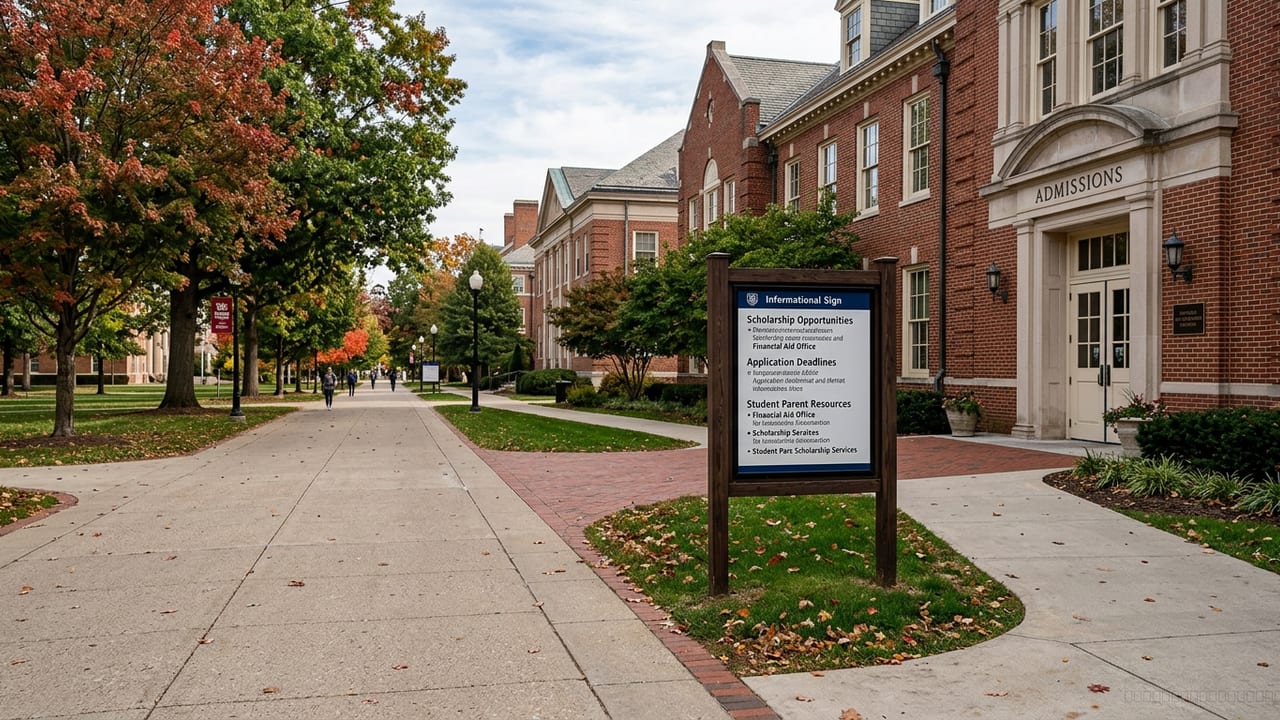
Paying for college is hard enough without also covering diapers, rent, transportation, and child care. For many parenting students, the real problem is not whether aid exists. It is knowing which programs are actually legitimate, which ones are scholarships versus grants, and how to stack them without wasting time on low-value applications.
That is why the smartest search for scholarships in the USA for student parents starts with a broad strategy, not a single funding source. Some support comes from private scholarships. Some comes from federal aid. Some is emergency aid from your college. And for parents with young children, child care help can make the difference between dropping classes and finishing a degree.
Student parents should begin with the FAFSA, because federal student aid often opens the door to Pell Grants, loans, work-study, and campus-based support. The official application process is explained on the U.S. Department of Education Federal Student Aid website. If you need care for a child while enrolled, it is also worth reviewing the federal CCAMPIS child care assistance program overview, since some colleges receive funds to support low-income student parents.
Why student parents should not rely on one scholarship search term
Many applicants look only for scholarships for student parents and stop there. That can cause them to miss programs aimed at women returning to college, adult learners, low-income students, community college transfers, first-generation students, or students with financial need. A parenting student may fit several of those categories at once.
The better approach is to combine identity-based and need-based searches. For example, a single mother may also qualify for scholarships for women over 35, transfer scholarships, nursing scholarships, or local foundation awards. A single father may find fewer parent-labeled scholarships, but may still qualify for institutional grants, scholarships for nontraditional students, and emergency completion grants.
Just as important, many colleges have parent support funds that are never advertised widely. Your school’s financial aid office, student parent center, women’s resource center, adult learner office, or dean of students may know about funds that do not appear in public databases.
Common mistakes that cost student parents money
One major mistake is skipping the FAFSA because you assume your income is too high or your situation is too complicated. Parenting students often qualify for more financial aid for student parents than they expect, especially if household income is modest or if they attend school part time while supporting dependents. Federal aid rules change over time, so always use the current official guidance rather than old advice from forums.
Another mistake is treating every program as a scholarship. In reality, you may be eligible for grants, tuition waivers, emergency retention funds, child care subsidies, SNAP-related student support, or campus completion scholarships. These are different buckets of aid, and each one may have separate deadlines.
A third mistake is applying too narrowly. Students often search only for college scholarships for single mothers and overlook awards for all women, all adult learners, all low-income students, or students in a specific major. The same issue affects dads searching only for college scholarships for single fathers, a category with fewer named programs. If you are a father in college, widen the search to include student parent grants, nontraditional student scholarships, and campus need-based aid.
Verified scholarship and grant options worth checking first
Several nationally recognized programs are especially relevant when reviewing scholarships for parenting students in college. Always verify current eligibility and deadlines on the official program page before applying.
The Patsy Takemoto Mink Education Foundation Scholarship is one of the best-known options for low-income women with children who are pursuing education or training. It is not for every student parent, but for eligible applicants it can be a strong fit because it specifically centers women raising children while working toward a degree or credential.
The Jeannette Rankin Women's Scholarship Fund supports low-income women, typically age 35 and older, pursuing vocational, associate, or bachelor’s education. This makes it especially relevant for scholarships for mothers returning to college and other adult learners who delayed school for caregiving or family responsibilities.
The Soroptimist Live Your Dream Awards are widely recognized for helping women who provide the primary financial support for themselves and their dependents. Because the award is tied to economic need and family responsibility, it can be a meaningful option for women balancing parenting and school.
Raise the Nation scholarship opportunities and parent-support initiatives may also be relevant, especially for single parents and adult learners, but applicants should review each cycle carefully because programs can change by year, funding source, and eligibility terms.
These are strong starting points, not guaranteed solutions. Competition is real, award amounts vary, and many parenting students need to combine one scholarship with Pell Grant eligibility, institutional aid, and other support.
Federal aid, campus grants, and child care help matter just as much as scholarships
For many families, the most important money is not actually from private scholarships. It is from federal and institutional aid. If you are searching for grants for student parents in the USA, begin with FAFSA-based programs. Pell Grants, Supplemental Educational Opportunity Grants, subsidized loans, and work-study can all reduce out-of-pocket costs depending on eligibility.
Students with dependents should also ask the college about professional judgment reviews, dependency status questions, emergency aid funds, textbook grants, food pantry access, transportation assistance, and completion grants. Public colleges and community colleges often have small but practical supports that are easier to win than national scholarships.
Child care is another major category. Some schools use CCAMPIS funds or campus partnerships to help low-income students pay for care. Others offer priority placement in campus child care centers, sliding-scale rates, or referrals to state subsidy programs. If your school has a child development center, ask whether students receive discounted rates and whether there is a waiting list.
For a basic overview of federal programs and student eligibility rules, the U.S. Department of Education remains a better source than social media advice. When your school explains a funding option, ask for the official program name so you can verify whether it is a grant, scholarship, reimbursement, or one-time emergency fund.
Best strategy by situation: single mothers, single fathers, and returning adults
For single mothers, the strongest path usually combines targeted programs with broad need-based aid. Look at college scholarships for single mothers, but also include women’s education funds, nontraditional student awards, and regional scholarships from local foundations. If you are re-entering college after time away, add searches for scholarships for mothers returning to college and reentry scholarships for women.
For single fathers, national named scholarships are less common, so the best strategy is often wider and more practical. Search for college scholarships for single fathers, but do not stop there. Look for student parent emergency aid, adult learner scholarships, workforce development grants, and institution-specific need funds. Community foundations and local civic organizations can sometimes be more fruitful than national searches.
For parents going back to school after years in the workforce, age and enrollment type matter. Many adult learners attend part time, online, or at community college before transferring. In that case, focus on scholarships for parents going back to school, transfer scholarships, employer tuition benefits, and state grant programs. The strongest applications often explain why now is the right time to complete the degree and how education will improve long-term family stability.
A practical application plan that works
A winning scholarship process is usually less about volume and more about fit, timing, and documentation. Use this plan to build a workable system.
- File the FAFSA as early as possible. Even if you want private scholarships, start here because federal aid for students with dependents may become the foundation of your package.
- Make a four-part aid list. Create separate columns for scholarships, grants, emergency aid, and child care assistance for college students. This prevents confusion and helps you see gaps.
- Prioritize high-fit awards. Apply first to programs where you clearly match the target group: low-income women with children, adult reentry students, primary earners with dependents, or school-specific parent support funds.
- Gather documents once. Common items include FAFSA results, proof of enrollment, transcripts, a short financial hardship statement, tax information, and documents showing dependent children.
- Reuse essays strategically. Keep one master statement about your academic goal, parenting responsibilities, financial need, and career plan. Then tailor it to each application.
- Ask your school specific questions. Instead of asking “Do you have scholarships?” ask whether there are grants for students with dependents, subsidized child care, completion funds, or scholarships for nontraditional students.
- Track deadlines by season. Many national programs open months before school bills are due. Missing a priority deadline can matter as much as writing a weak essay.
This system helps because student parents are usually short on time. A targeted list of 8 to 15 realistic opportunities is often better than applying to 50 random awards.
What strong applications usually include
Committees often respond to clarity, not drama. A strong application explains your educational path, why parenting responsibilities affect your finances or scheduling, and how the award would improve persistence toward graduation. Concrete examples are more persuasive than vague statements.
For example, saying that child care costs force you to reduce work hours and limit course load is stronger than simply saying college is expensive. Saying that a reliable award would let you move from part-time to full-time enrollment or complete clinical hours is better than a generic statement about wanting success.
You should also show momentum. Mention your GPA if it is solid, but if it is average, emphasize consistency, completed credits, instructor support, and a realistic graduation timeline. Scholarship reviewers want to know that their funding has a practical impact.
How to combine scholarships with other aid without creating problems
Most student parents need multiple funding sources, and in many cases that is completely normal. You may receive a Pell Grant, an institutional need-based grant, one private scholarship, and a child care subsidy at the same time. The important part is understanding whether an outside scholarship reduces unmet need or replaces part of another aid category.
Before accepting an award, ask the financial aid office how outside scholarships are treated. Some colleges first reduce loans or work-study, while others may adjust institutional grants. This is especially important for low-income parenting students trying to preserve the most flexible aid.
It also helps to compare net cost, not just total aid. A package with lower tuition support but strong child care assistance may be more valuable than a slightly larger scholarship that does nothing for daily expenses. Parenting students should judge aid by whether it keeps them enrolled and able to function.
Questions student parents ask most
Are there scholarships in the USA specifically for student parents?
Yes. Some programs explicitly serve student parents, while others focus on low-income women, adult learners, or primary caregivers with dependents. You will usually find more options by combining parent-focused searches with broader categories like reentry, need-based, and institutional aid.
Can single mothers get scholarships for college in the United States?
Yes. Single mothers may qualify for private scholarships, women’s education funds, campus grants, and federal aid. Programs such as the Patsy Takemoto Mink Education Foundation Scholarship, Jeannette Rankin Women's Scholarship Fund, and Soroptimist Live Your Dream Awards are commonly researched starting points, depending on eligibility.
What federal financial aid is available for students with dependents?
Parenting students may qualify for Pell Grants, federal loans, work-study, and some campus-based aid after filing the FAFSA. Depending on the college, they may also access emergency grants, food and housing support, and child care assistance tied to programs like CCAMPIS.
Can student parents get help paying for child care while in college?
Sometimes, yes. Support may come through CCAMPIS-funded campuses, on-campus child care centers, state subsidy programs, or institutional emergency aid. Availability varies a lot by college, so ask early and get details on waitlists and income rules.
Do I need to be a full-time student to qualify for scholarships for student parents?
Not always. Many adult learners and parents attend part time, and some scholarships allow that. However, each program sets its own rules, so always confirm enrollment requirements before spending time on the application.
📌 Quick Summary
- Key Point 1: This guide breaks down the core strategy for Scholarships in the USA for Student Parents.
- Key Point 2: Student parents often need more than one source of support to stay enrolled. This practical article explains real scholarships in the USA for student parents, including options for single mothers, single fathers, returning adult learners, FAFSA-based aid, child care assistance, and school-specific funding.
- Key Point 3: Find real scholarships in the USA for student parents, including options for single mothers, women returning to college, and parenting students seeking financial aid.
Continue Reading
- How to Apply for Scholarships — practical steps to organize your application process and avoid rookie mistakes
- Scholarship Deadlines Explained — simple ways to track deadlines and avoid missing key dates
- Can You Combine Multiple Scholarships? — understand how stacking scholarships works and which rules to watch
Related Scholarships
Real opportunities from our catalog, matched to this article.
Browse the full scholarship catalog — filter by deadline, category, and more.
Open scholarship details Eastern Florida State CollegeNEWEllen F. Mack Nursing Scholarship
Eastern Florida State College offers this scholarship to help cover education costs. It is geared toward students attending Eastern Florida State College. The listed award is $500. Plan to apply by May 18, 2026.
$500
Award Amount
May 18, 2026
30 days left
9 requirements
Requirements
May 18, 2026
30 days left
9 requirements
Requirements
$500
Award Amount
MedicineNo EssayFew RequirementsSingle ParentFinancial NeedUndergraduateCommunity CollegeGPA 2.5+FLFloridaOpen scholarship details Tarrant County College FoundationEXPIREDAnna Miller Saint Endowed Scholarship
Tarrant County College Foundation offers this scholarship to help cover education costs. It is geared toward students attending Tarrant County College Foundation. The listed award is $1,920. Plan to apply by April 15, 2026.
$1,920
Award Amount
Apr 15, 2026
deadline passed
8 requirements
Requirements
Apr 15, 2026
deadline passed
8 requirements
Requirements
$1,920
Award Amount
STEMMedicineNo EssayFew RequirementsSingle ParentFinancial NeedUndergraduateCommunity CollegeGPA 2.0+Open scholarship details Scholarship AmericaEXPIREDEssential Visionaries Scholarship
Scholarship America offers this scholarship to help cover education costs. It is geared toward students attending Scholarship America. The listed award is $10,000. Plan to apply by April 15, 2026.
$10,000
Award Amount
Direct to student
Apr 15, 2026
deadline passed
7 requirements
Requirements
Apr 15, 2026
deadline passed
7 requirements
Requirements
$10,000
Award Amount
Direct to student
EducationMedicineCommunityNo EssayFew RequirementsFinancial NeedHigh School SeniorHigh SchoolUndergraduateGraduateDirect to studentGPA 2.5+